Live Yoga Teachers
Yin Yoga
What is Yin Yoga
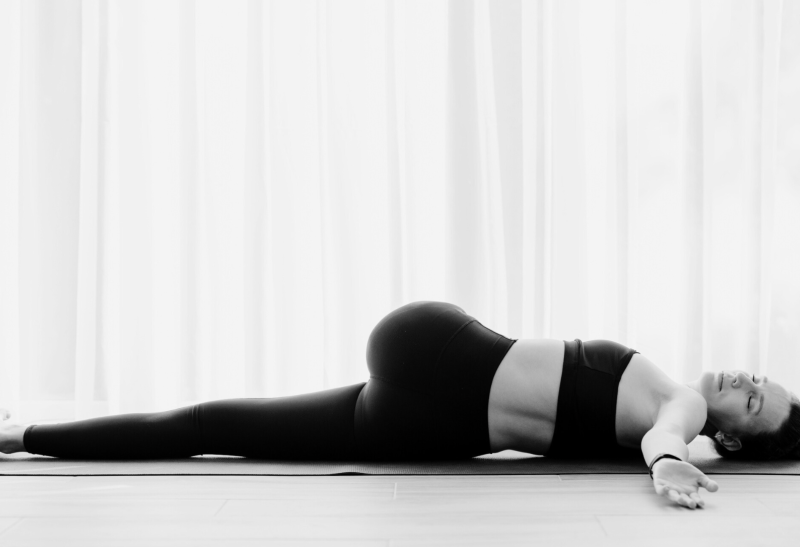
Yin Yoga is a slow-paced, meditative practice centered around floor stretches held for three to five minutes at a time. In a Yin yoga class, teachers may ask you to cover your sticky mat with a blanket, and you'll hear unique pose names that aren't used in other types of yoga.
The history of Yin Yoga
While the philosophy of Yin and Yang dates back thousands of years to ancient Taoist traditions, Yin Yoga as a distinct western practice was born in the late 1970s.
It was founded by Paulie Zink, a martial arts champion and Taoist yoga teacher. He introduced a blend of Hatha yoga and traditional Taoist movements to help his students build deep flexibility and clear energetic blockages. Another type of yoga influenced by a non Indian practise is Tibetan Yoga.
The yin practice was later adapted and brought into mainstream western yoga studios during the late 1980s and 1990s by dedicated teachers who realised that modern, muscle-driven yoga styles were leaving out the care of our deeper joints and connective tissues.
What to expect in a Yin Yoga class
One of the lowest workout intensity type of yoga, fits any fitness level or yoga level.
Workout intensity: low physical exertion, high mental presence
Physically, Yin Yoga is low-intensity. You won't be sweating, flowing through sun salutations, or elevating your heart rate. However, holding a single pose passively for 3 to 5 minutes can offer a unique mental challenge. It requires you to slow down, practice patience, and breathe through quiet sensations.
Fitness level required: none
Because Yin Yoga doesn't require cardiovascular endurance or muscular strength, it is highly accessible. It is fantastic for athletes looking for recovery, office workers with tight hips, or anyone looking to ease back into movement.
Yoga level required: absolute beginner to advanced
Yin is completely non-competitive and open to all levels. Absolute beginners will love the simple, slow pace. Advanced yogis will find it a crucial tool to balance out their active Vinyasa, power, or gym routines.
Props requirement
As you are likely to spend almost the entire duration of the class on your mat, some teachers will ask you to cover your mat with a blanket or a towel to provide extra cushioning, specially if your yoga mat is thin. It is recommended to use a thick yoga mat if possible.
Yin Yoga poses names
You will practice poses with names like Butterfly, Sphinx, Caterpillar, Dragonfly, and Sleeping Swan, as in Yin Yoga, poses have different names than in other types of yoga. Instead of engaging your muscles to hold yourself up, you will consciously relax your muscles so gravity can do the work.
Some of the poses you will encounter most frequently in our online classes include:
- Butterfly: A seated forward fold with the soles of the feet together and knees wide, which gently opens the outer hips and decompresses the lower spine. (Baddha Konasana, or bound angle pose). Often practised for women's health yoga or yoga for pelvic floor.
- Sphinx or Seal: A passive, forearm-supported backbend that targets the lumbar spine, helping to counteract the effects of sitting at a desk all day. (Bhujangasana or Cobra pose)
- Caterpillar: A seated forward bend with completely relaxed legs, offering a deep, therapeutic stretch for the entire back body and hamstrings. (Paschimottanasana or seated forward bend)
- Dragon: A deep, low-lunge variation that targets the hip flexors and groin—perfect for releasing deep-seated physical tension and emotional stress. (Utthan Pristhasana or lizard pose)
- Child’s Pose (Yin style): A resting shape with wide knees and a rounded spine, allowing your torso to sink heavily toward the mat for a full-body reset.
- Happy Baby pose (Ananda Balasana): a low-intensity, restorative posture
Yin yoga vs. restorative vs. somatic yoga: What’s the difference?
Because these three styles are slow-paced and floor-based, they are frequently confused. However, they are very different:
- Yin Yoga is about long stretches. It actively but gently targets the deep, dense connective tissues of the body—like ligaments, joint capsules, and fascia—by holding poses for several minutes.
- Restorative Yoga is about letting go. There is no active stretching involved. Instead, your body is fully supported by props so your muscles can completely relax, letting the gravity do its work, triggering the nervous system to rest and digest.
- Somatic Yoga is about internal sensations. It focuses on free-form, intuitive movement guided by how your body feels from the inside out, completely disregarding rigid external alignment or aesthetics.
Benefits of Yin Yoga
Taking a Yin yoga class regularly helps you in two big ways:
Physical Health Benefits
Yin yoga stretches your muscles and the deep parts of your body like your joints and the tissues around your bones. This makes you much more flexible over time. It also helps your joints stay lubricated and moving smoothly so you don't feel stiff.
Mental Health Benefits
Because you stay still and breathe deeply, it tells your brain that it is safe to relax. It lowers stress, calms an anxious mind, and helps you sleep much better at night.
Meet the masters: recognized yin yoga teachers
If you dive deeper into the world of Yin, you will frequently hear these four foundational names. Each has shaped the practice into what we enjoy on our screens today:
- Paulie Zink: The founding father of Yin/Taoist Yoga. Rooted heavily in Chinese shamanism and Taoist philosophy, Paulie’s teaching incorporates fluid, organic movements and the five-element theory to cultivate lifelong vitality.
- Paul Grilley: A foundational pioneer of modern Yin Yoga. Paul revolutionized the practice by shifting the focus from aesthetic alignment to functional anatomy. He teaches that because everyone has a unique skeletal structure, poses should look different on every single body.
- Sarah Powers: A brilliant teacher who actually coined the phrase "Yin Yoga." Sarah blended the physical poses of the practice with the meridian lines of Traditional Chinese Medicine and Buddhist mindfulness psychology, creating a deeply spiritual, introspective approach.
- Bernie Clark: A highly respected Canadian teacher and author of the seminal book, The Complete Guide to Yin Yoga. Bernie is famous for bridging science and yoga, explaining the physiological impacts of long-held poses on cellular health and fascia with warmth and clarity.
 Summary
Our Yin Yoga teachers
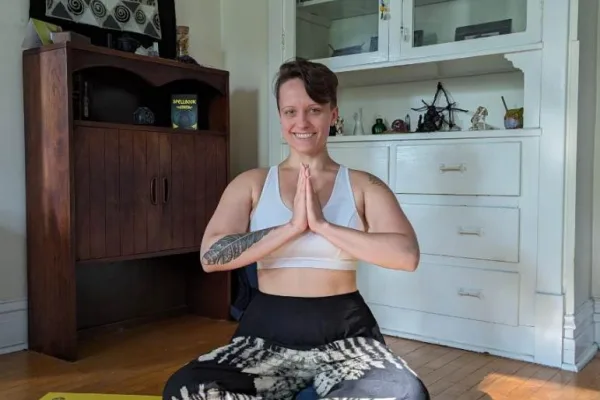
Amie Connor
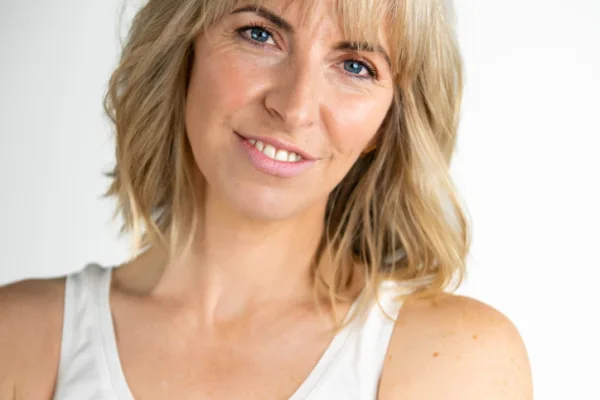
Emma Garland
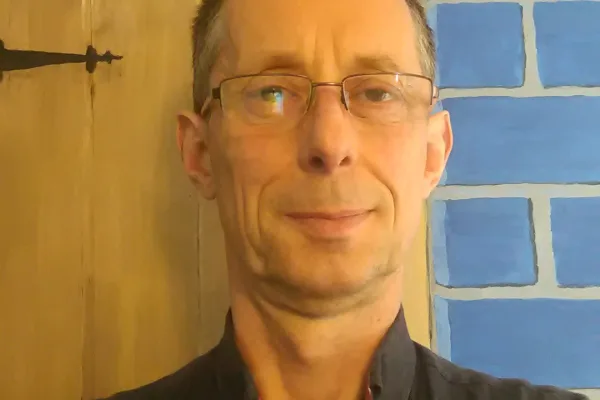
Ian Clark
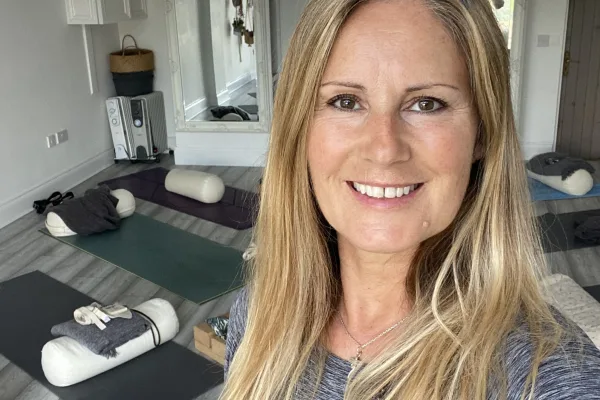
Adrianne Nightingale
Lala Menen
Candice O’Keeffe
Christel Thimont