Live Yoga Teachers
Yoga for Weight Loss
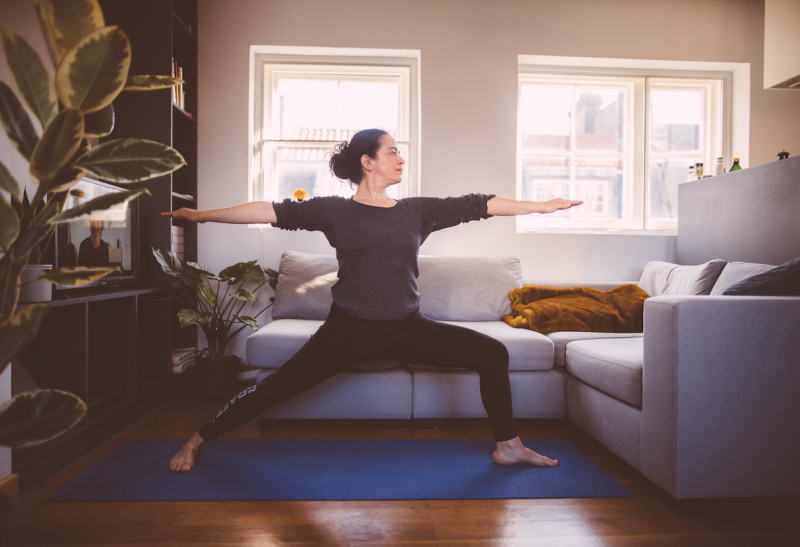
Some yoga types build heat and strength. Others lower the stress that makes weight harder to shift. You don't need to be flexible or fit to begin. You just need a mat and a little time.
Can yoga actually help with weight loss?
Yes, though it's worth being honest about how. A single flow class won't burn calories the way a run does. What yoga does well is give you something you'll actually keep doing. It's kind on the joints, it builds strength slowly, and it rarely leaves you dreading the next session. Weight loss comes from consistency more than intensity, and yoga is one of the easier habits to keep.
How yoga supports weight loss
The more active types raise your heart rate and build muscle, and muscle uses more energy even at rest. But a lot of yoga's effect is indirect. Slow breathing and longer exhales lower cortisol, the stress hormone that encourages the body to hold onto fat around the middle. Better sleep follows, and so does a calmer relationship with food — many students find they eat more mindfully and reach less often for something to take the edge off a hard day. None of this is dramatic overnight. Over weeks and months, it adds up.
The mental side, and why it matters for your goals
Weight loss is rarely just physical. It asks for patience and steadiness, and that's where yoga quietly builds strength. There's good evidence that regular practice eases stress, anxiety, and low mood — the breathing and slow movement calm an overactive nervous system, and studies have found yoga can be a real help alongside treatment for anxiety and depression. As that pressure lifts, you make clearer choices and stay with a plan for longer. Comfort eating loosens its grip, motivation holds on the hard days, and setbacks feel less like reasons to give up. A calmer, steadier mind is one of the strongest things you can bring to any goal.
Which types of yoga are best for weight loss
If your main goal is movement and heat, the flowing, strength-based types are the ones to look for.
Vinyasa (flow) links each movement to a breath, so you keep moving from one pose to the next. It raises your heart rate, builds heat, and improves stamina — the closest yoga gets to a steady cardio session, and a good place for most people to start.
Power yoga is the most athletic of the common types. It borrows from Vinyasa but leans into strength, holding poses longer and working the big muscle groups. Building muscle this way supports your metabolism over time.
Ashtanga follows a set, demanding sequence that repeats each class. It's physically challenging and builds real strength and endurance. The fixed structure also suits people who find routine easier to stick to than variety.
Hatha is slower and more foundational. It won't burn as much on its own, but it's the best way for a nervous beginner to learn the poses and build the strength to move up to the flowing types later.
The calmer types matter too, even though they burn little. Yin and Restorative yoga work on the stress side of the picture — lowering cortisol, improving sleep, and steadying your appetite. A week that mixes a few active classes with one slower session tends to work better than pushing hard every day.
How often to practise
Three or four sessions a week is a realistic target, and enough to make a difference. Mix the active types for movement with a slower class for recovery. If you're just starting, begin with two and build from there — a habit you keep beats an ambitious plan you abandon.
Yoga alongside the rest
Movement is one part of weight loss. What you eat matters more, and yoga tends to help there quietly, by making you more aware of how you feel and less reactive to stress. We'd never sell yoga as a way to "burn fat fast" or replace everything else. It's a steady, sustainable piece of the picture, and one you can build a life around.
Starting as a beginner
You don't need any experience to begin. Tell your teacher it's your first time and that weight loss is your goal — they'll help you find the right level and keep you safe. Start gentle, move at your own pace, and let it build. Classes run live and online, so you can practise from home whenever it fits your day.

 Summary