Live Yoga Teachers
Yoga for Tennis
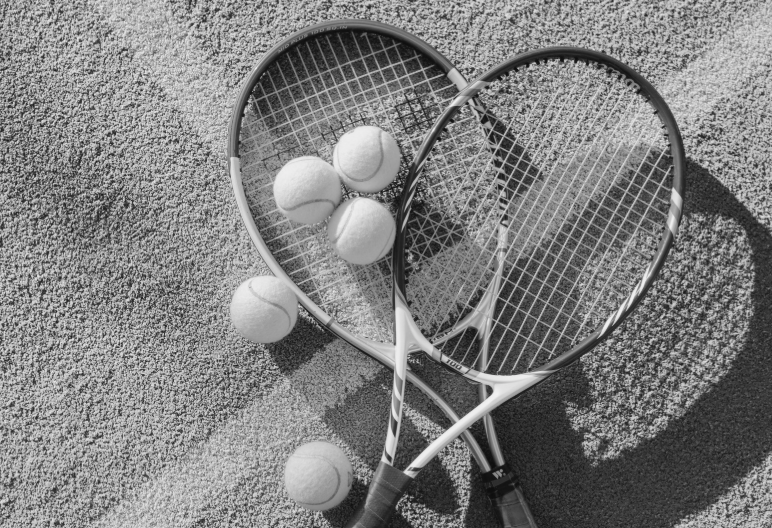
Tennis asks a lot of the body. The same twist, reach, and sprint repeat thousands of times, almost always on one dominant side. Yoga is how you balance that out. It opens the hips and shoulders tennis tightens, builds strength where you're prone to strain, and gives the body a chance to reset between sessions. You don't need to be flexible to start. If you can hold a racket, you can begin.
What is Yoga for Tennis?
Yoga for Tennis is a practice shaped around the demands of the game rather than a separate discipline you take up on the side. It draws on the same poses as any class, but chooses and sequences them to match how tennis players actually move — the rotation through the spine on every stroke, the load through the shoulder on a serve, the deep bend in the knees and hips in the ready position.
The aim is simple. Tennis builds strength and speed but leaves the body uneven and tight in predictable places. Yoga works the other way, restoring range of movement, steadying balance, and strengthening the smaller muscles that keep joints safe. Practised alongside your tennis, it keeps you moving well and playing longer.
Who is it for?
Anyone who plays tennis, at any level. A weekend club player feels the same tight hips and stiff shoulders as someone competing most weeks — the movements are the same, only the volume differs. If you play regularly, your body is carrying the imbalances that come with the sport, and yoga is one of the most direct ways to address them.
It suits older players especially well, since range of movement and recovery are the first things to go with age, and both respond quickly to regular practice. And it's a genuinely good fit for beginners to yoga. You don't need any experience, and you don't need to touch your toes on day one. Tell your teacher you play tennis and that you're new to yoga, and they'll pitch it to you.
Benefits of Yoga for Tennis
The clearest benefit is mobility. Tennis relies on a full, easy range through the shoulders, hips, and spine, and yoga restores the movement that repetitive play quietly takes away. A freer shoulder means a smoother serve. Open hips mean a lower, stronger stance without straining the lower back.
Strength is the next piece, though not the kind you build in the gym. Yoga works the deep stabilising muscles around the core, hips, and shoulders — the ones that hold a joint steady mid-stroke and absorb the force of a sudden change in direction. Stronger stabilisers mean fewer of the small injuries that come from a joint moving in a way it wasn't braced for.
Balance and body awareness improve too. Much of tennis is played on one leg, mid-turn, reacting to a ball you didn't expect. Holding poses trains the same steadiness, so you recover your footing faster and move more efficiently around the court. And because tennis is single-sided, yoga's symmetry matters: working both sides evenly helps correct the lopsided strength and tightness that build up over a season.
Finally, there's recovery. Slower, breath-led practice calms the nervous system, eases the muscle tightness that follows a hard match, and helps you sleep — which is where the real repair happens. A short, gentle session the day after playing often does more for how you feel than complete rest.
What props are required to practise?
Very little, and everything has a household stand-in — which matters, since you'll be practising at home. A mat is the one thing worth having, for grip and a bit of cushioning under the knees; a firm carpet or a folded blanket will do to begin with.
A yoga block is the most useful extra. It brings the floor closer in poses where you can't yet reach it comfortably, so you keep good form instead of straining for the ground. A thick book or a sturdy tin works just as well.
A strap helps in shoulder and hamstring stretches, giving you something to hold when your hands won't quite meet. A dressing-gown belt, a scarf, or a tie stands in perfectly. Beyond that, a cushion or two is handy for seated poses and for propping the body in slower, restorative work. You don't need to buy anything to start — look around the room first.
What are the most common tennis injuries that yoga can help prevent?
Tennis elbow is the one the sport is named for — pain on the outer elbow from overloaded forearm tendons. Yoga helps by mobilising the wrist and forearm and by strengthening the shoulder and upper back, so the arm isn't left doing work the bigger muscles should share. A more balanced kinetic chain takes load off the elbow.
Shoulder and rotator cuff strain comes from the repeated overhead action of the serve. The small rotator cuff muscles that steady the joint are easily overwhelmed. Poses that both open and strengthen the shoulder keep that joint stable and moving freely, which is exactly what protects it under a fast, repeated load.
Lower back pain is common, driven by the constant twisting and the tightness that builds in the hips. When the hips can't move freely, the lower back takes over — and that's where the ache appears. Opening the hips and strengthening the core lets the back do less of what isn't its job.
Knee strain follows from the sudden stops, pivots, and lunges tennis is full of. Yoga builds strength and control around the knee and improves balance, so the joint is better braced for a quick change of direction and less likely to be caught off guard.
Wrist strain rounds out the list, from gripping the racket and the shock of each impact. Gentle wrist mobility and forearm strengthening build resilience there — though it's worth easing into any weight-bearing pose on the hands, and telling your teacher if your wrists are sensitive.
None of this replaces proper medical advice if you're already in pain. But as a way to move better and give these joints a fighting chance, a regular practice is one of the best things a tennis player can do off the court.
What are the 3 most common poses of a Yoga for Tennis practice?
Low Lunge (Anjaneyasana) opens the hip flexors and the front of the thigh — the muscles that shorten from the crouched ready position and all that forward movement. From a kneeling start, you step one foot forward and sink the hips gently down and forward, feeling the stretch along the back thigh. It restores the hip mobility that lets you get low without your lower back paying for it. A cushion under the back knee makes it kinder.
Thread the Needle frees the upper back and shoulders, which take the strain on every serve and overhead. On all fours, you slide one arm underneath the body and rest the shoulder and side of the head on the floor, letting the spine rotate. It eases the tightness that builds through the serving shoulder and gently mobilises the mid-back — the part of the spine that does most of the turning in a stroke.
Seated Spinal Twist (Ardha Matsyendrasana) trains the rotation at the heart of every groundstroke. Sitting tall, you turn the torso to one side and use the opposite arm against the knee for a little leverage, keeping the spine long. Practised evenly on both sides, it keeps the spine supple for the twisting tennis demands and helps balance out the dominant-side turn you repeat all game.

 Summary