Live Yoga Teachers
Live Stream Yoga Classes
We all learned to practise yoga live stream during lockdown in 2020, either directly with a yoga teacher or through a yoga studio. We’ve enjoyed it so much here at Live Yoga Teachers, that we’ve created this platform to support yoga teachers wanting to teach livestream!
But in 2026 not all live-stream classes are the same. One thing to clarify first is what are live stream yoga classes vs recorded yoga classes, and then look at hybrid live stream classes offered by yoga studios.
Livestream yoga vs recorded yoga classes
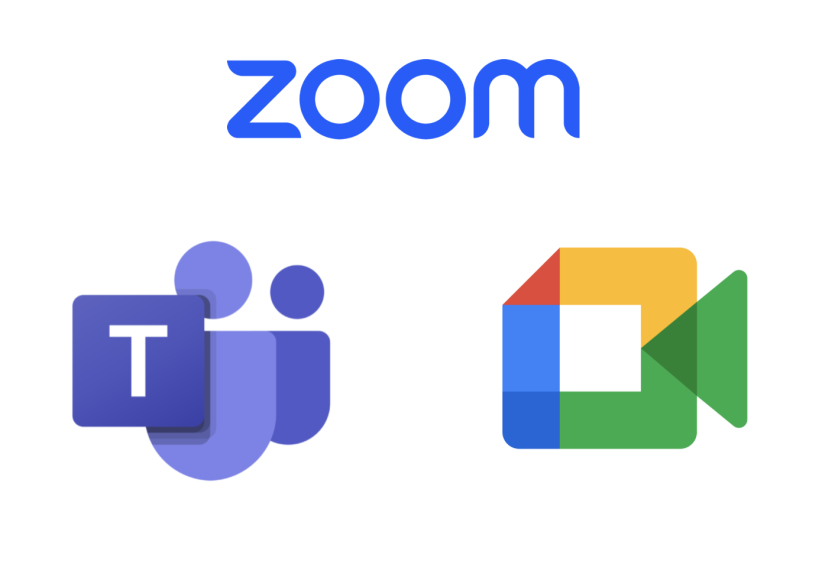
Historically, online yoga classes were always recorded. It’s only since Covid 19 that people started practising livestream, thanks to new entrants in the field of 2 way video streaming services like Zoom, who made it very affordable. Many companies are now offering 2 way video streaming services, Google Meet or Team meetings from Microsoft are other examples. Prices for those services are going up since so many people use them everyday, and free access are being restricted (remember the free 40 minutes on Zoom!)
Youtube yoga classes
Youtube yoga classes are recorded yoga classes: an influencer records a class, edits it, and uploads it on YouTube for people to watch for “free” (in exchange with having to watch a commercial first).
Apps yoga classes
Yoga apps are, in fact, recorded yoga classes as well. An app company hires yoga teachers, films the classes, edits them and uploads them to the App Store or Play Store for people to buy the app. With AI, they could even not be humanly recorded, you could be watching a fake human demonstrating poses.
Yoga on demand
Yoga on demand are also recorded classes: a yoga teacher or a studio records many classes, they upload them to a server and let you have access in exchange with a monthly fee either via a website or an app.
But with recorded classes, nobody is watching. It can be tempting to skip poses, or even pause the video when the practice becomes a bit challenging. You could also hurt yourself, as nobody is there to check on your alignement and you could engage in poses the wrong way.
Livestream yoga classes vs hybrid classes
Most yogas studios invested in a camera and set up a booking system during lockdown at high cost, and they want to make a return on investment.
This is why you can still find yoga studios offering livestream classes, but most of the time they are in fact “hybrid classes”: a camera is installed in the yoga studio, usually attached to the ceiling, where a class is taking place with participants in the studio.
Yoga studios hybrid yoga classes - experience:
Yoga teachers can see people practising livestream if they look at a computer, but most of the time, its very difficult for yoga teachers to be present in the studio and livestream at the same time. They often end up focusing on participants in the same room, and you’ll be feeling a little lonely as a livestream student.
Yoga studios hybrid yoga classes - price:
Another thing is that yoga studio cannot reduce they livestream class fee too much, because they would jeopardise their in-person classes which is they main source of income. So livestream classes in a yoga studio can be a little cheaper than an in-person class, but not that much. in 2026 the price of a live stream class at Triyoga in London is £12.50 per class.
The main drawbacks to studio hybrid classes is that the teacher is not really looking at you, and the price is high.
Practising live stream on this platform will guarantee you the full teacher’s attention, as well as a price starting from £5 (€6, $6)

 Summary